Toilet Repair
The Fixture Everyone Uses and Nobody Thinks About
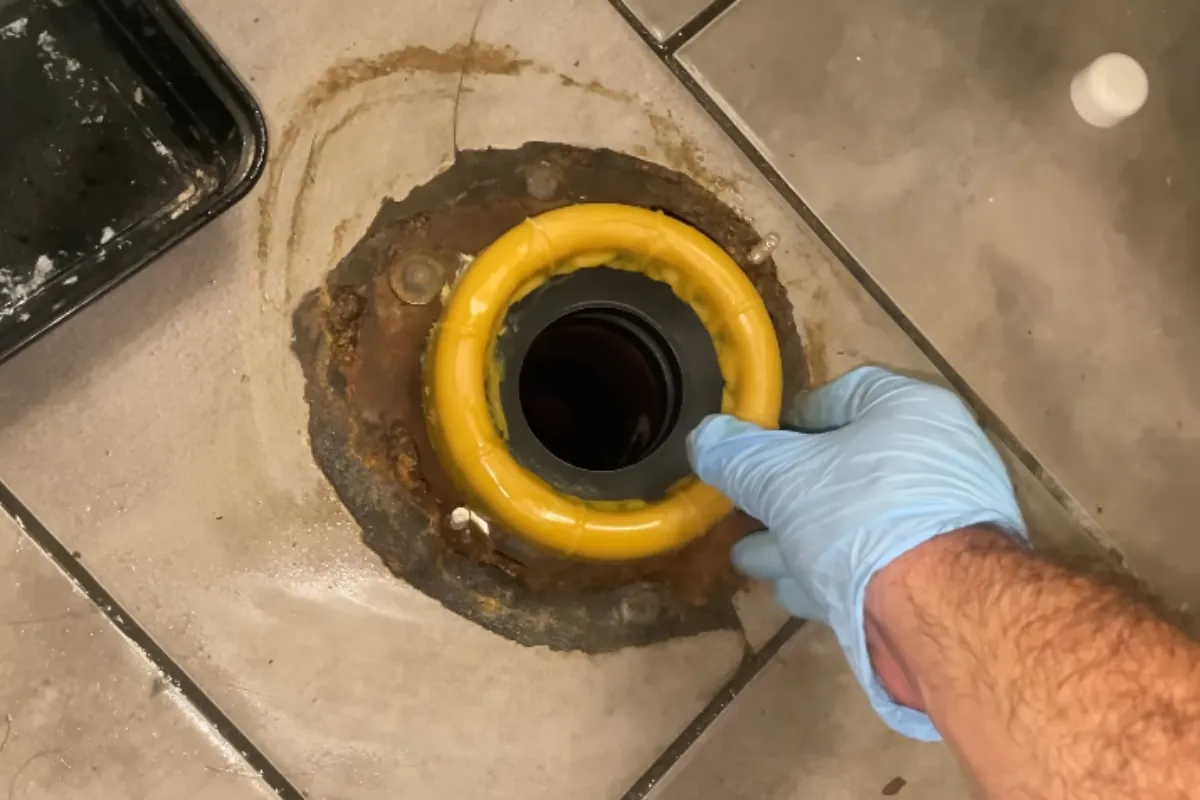
Toilet repair and installation covers every part of the fixture. That means the flapper and fill valve inside the tank, the handle and chain, the seal between the toilet and the floor, the flange it bolts to, and replacing the toilet entirely. Roswell 24/7 Plumbing handles toilets across Roswell in 30075 and 30076, and an overflowing toilet or one leaking through a ceiling is treated as urgent at any hour.
Most toilet problems are small and cheap to fix. A few are signs of something bigger, like a clog that keeps returning because the main line is partly blocked, or a leak at the base that has been soaking the subfloor for months. The job is to tell which is which.
In older Roswell homes, the toilet itself is often decades old, and some still use far more water per flush than anything sold today.
Most toilet repairs are simple and can be scheduled. An overflow that is soaking a bathroom floor, water seeping from under the base into the ceiling below, or the only toilet in the house failing on a weekend is an emergency call.
Older homes in the historic district around Canton Street and Mimosa Boulevard, and 1970s homes in East Roswell neighborhoods such as Willow Springs, are where high-volume toilets from before the 1.6 gallon standard still turn up.
24/7 Emergency Line Open
Toilet Emergency: Overflowing, Leaking at the Base or the Only One Out
A toilet is an emergency when it is overflowing, when water is leaking at the base onto the floor, or when it is the only toilet in the house. Do these things first, then call.
- Close the supply valve. Turn the oval handle behind the toilet clockwise until it stops.
- Lift the tank lid and raise the float. If the valve is stuck, lifting the float stops the fill.
- Stop flushing. If the bowl will not drain, another flush only adds water to the floor.
- Watch other drains. If a tub or floor drain gurgles or backs up too, the main line is the likely cause.
A toilet that keeps overflowing after plunging usually points to a deeper clog that needs a cable or camera. Call (770) 214-4545.
Toilet Overflowing Now?
Turn the stop valve behind it clockwise, lift the tank lid and raise the float, then call.
Diagnosis
Toilet Symptoms and the Usual Fix
Match what you see to the likely cause before calling.
| What you notice | Likely cause | Typical fix |
|---|---|---|
| Tank refills on its own every so often. | Flapper leaking into the bowl. | New flapper. |
| Water keeps running into the overflow tube. | Fill valve or float set too high. | Adjust or replace fill valve. |
| Water around the base after flushing. | Failed wax ring or loose bolts. | Pull, reset on new seal. |
| Toilet rocks when you sit. | Loose or broken flange. | Flange repair or replacement. |
| Flush is weak or slow. | Mineral in rim jets, partial clog. | Clean jets, clear trapway. |
| Clogs often, other drains gurgle. | Blockage further down the line. | Main line cleaning. |
A toilet that rocks is worth fixing quickly. Each movement can break the wax seal, and a slow leak under vinyl or tile can rot the subfloor before a stain ever shows.
Georgia's 1.28 Gallon Rule and Old Roswell Toilets
Since July 1, 2012, Georgia law has prohibited the sale of tank-type toilets that use more than an average of 1.28 gallons per flush. That limit is part of the state's high-efficiency fixture requirements, which followed the Georgia Water Stewardship Act of 2010, a law passed after the drought years of the late 2000s.
That matters when replacing a toilet in an older Roswell house. A toilet from the 1980s may use 3.5 gallons or more per flush. Swapping it for a current model can noticeably lower a household's water use, which shows up on the bill whether it comes from the Roswell Water Utility or Fulton County.
Modern high-efficiency toilets clear waste well when the drain line behind them is in good shape. If an older house has a partly blocked or sagging drain, a new low-flow toilet can expose that problem, so a slow-draining line should be checked when the toilet is replaced.
Replacement
How a Toilet Replacement Goes
- 1
Shut off and remove
Water off at the stop, tank and bowl drained and lifted out.
- 2
Check the flange
Inspect the flange and subfloor for damage or rot.
- 3
Set on a new seal
New wax or foam seal, toilet bolted level and snug.
- 4
Connect and test
New supply line, flush tests, leak check at the base.
If the shutoff valve behind the toilet is an old multi-turn stop that will not close fully, replacing it with a quarter-turn valve during the visit is a good idea. The same applies to stops under the sinks in the same bathroom.
Cost
What Changes the Cost of Toilet Work
Most toilet repairs are small. These are the things that make them bigger.
Some water providers and utilities have offered rebates for high-efficiency toilets in the past. Check current programs with your provider before you buy. Houses in nearby Dunwoody get their water from DeKalb County, so check with DeKalb instead.
Toilet running, leaking or clogging? Call (770) 214-4545.
Questions
Toilet Questions From Roswell
Yes. A house with one toilet and that toilet out of service is an emergency. The visit focuses on getting it working that day, whether that means clearing a clog, replacing a fill valve or swapping a cracked bowl.
Usually a worn flapper that no longer seals, a fill valve that will not shut off, or a chain or float set wrong. A running toilet can waste a large amount of water quietly. The food coloring test tells you if the flapper is leaking: a few drops in the tank, 15 minutes without flushing, then check the bowl for color.
Most often a failed wax ring, a loose toilet, or a cracked or corroded flange underneath. If the floor feels soft around the toilet, water has been getting into the subfloor, so it is worth fixing soon. Tightening the bolts on a toilet with a failed wax ring does not fix the seal.
Georgia law prohibits the sale of tank-type toilets that use more than an average of 1.28 gallons per flush, a rule in place since July 1, 2012. Many older toilets use 1.6 gallons, and toilets from before the mid-1990s can use 3.5 gallons or more, so a replacement often cuts toilet water use noticeably.
Replace the parts if the bowl and tank are sound and the toilet flushes well. Replace the toilet if the porcelain is cracked, it clogs constantly, it is an old high-volume model, or parts are no longer available.
If only that toilet clogs, the toilet or its trapway is the likely cause. If other drains gurgle or back up when it clogs, the problem is further down the line, and drain cleaning is the next step.
Comfort-height toilets are a straightforward swap. Wall-hung models need an in-wall carrier and tank, which means opening the wall and is usually part of a bathroom remodel.
EPA WaterSense suggests a dye test. Put a few drops of food coloring in the tank and wait about 10 minutes without flushing. If color shows up in the bowl, the flapper is leaking. Two running toilets can easily explain a high water bill.
Sources for This Page
The 1.28 gallon per flush sales limit comes from Georgia Code section 8-2-3, as amended by the Georgia Water Stewardship Act of 2010, with background from UGA Cooperative Extension's summary of the Act. Toilet performance standards reference ASME A112.19.2 as cited in the Georgia Code.
Written by the Roswell 24/7 Plumbing team and checked against the sources above. Last reviewed October 31, 2026.